
Dream Big, Plan Smart: Web Exclusives
The Year of Festivities to Engage Globally and Locally
The University of Otago
150th Anniversary, 2019-2020
Institution type: Residential university
Enrollment: 20,942
Celebration type: Year of events with official celebrations at Queen’s Birthday weekend
Planning time: Two years
Planning teams: Advisory committee and operational committee
Community—both near and far—was top of mind as the oldest university in New Zealand mapped out its anniversary events.
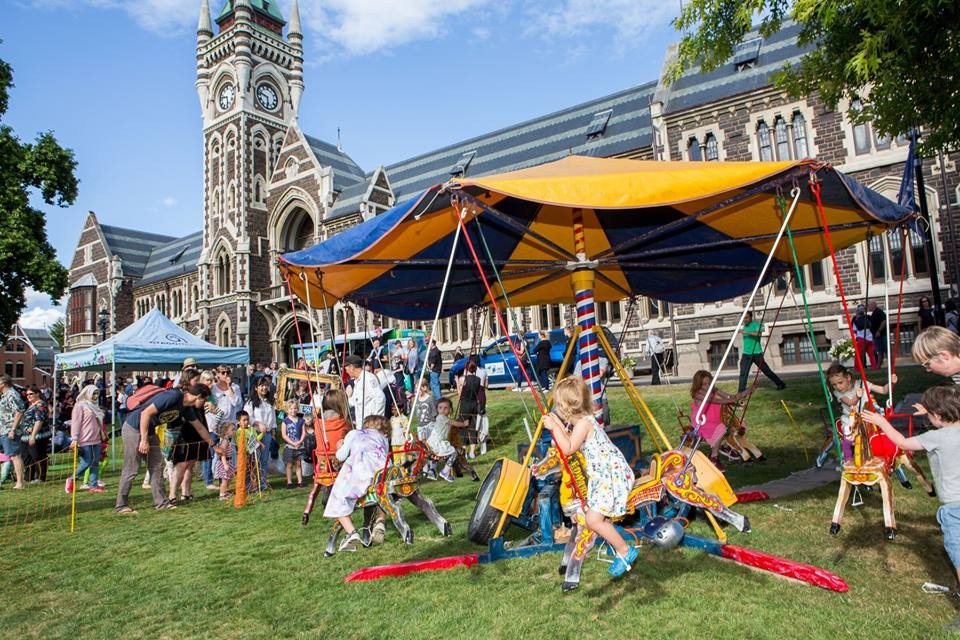
To kick off its 150th anniversary celebration in February 2019, Otago University in Dunedin, New Zealand, hosted a family-friendly picnic on its Clocktower Lawn with food trucks, music, games, and a mini merry-go-round. It set the stage for a year of events designed to explore the theme “Dare to be wise”—a nod to the university’s motto—locally, throughout the country, and the world.
“What we wanted to do was provide a balance of events so that there was something for everyone,” says Helen Nicholson, deputy vice-chancellor of external engagement. Twenty percent of Dunedin’s population are students and the town-gown relationship is strong, she says. “First, we wanted events that were community-focused. We then wanted things that would fit with the theme of ‘Dare to be Wise’ that would involve different aspects of the university community and alumni.”
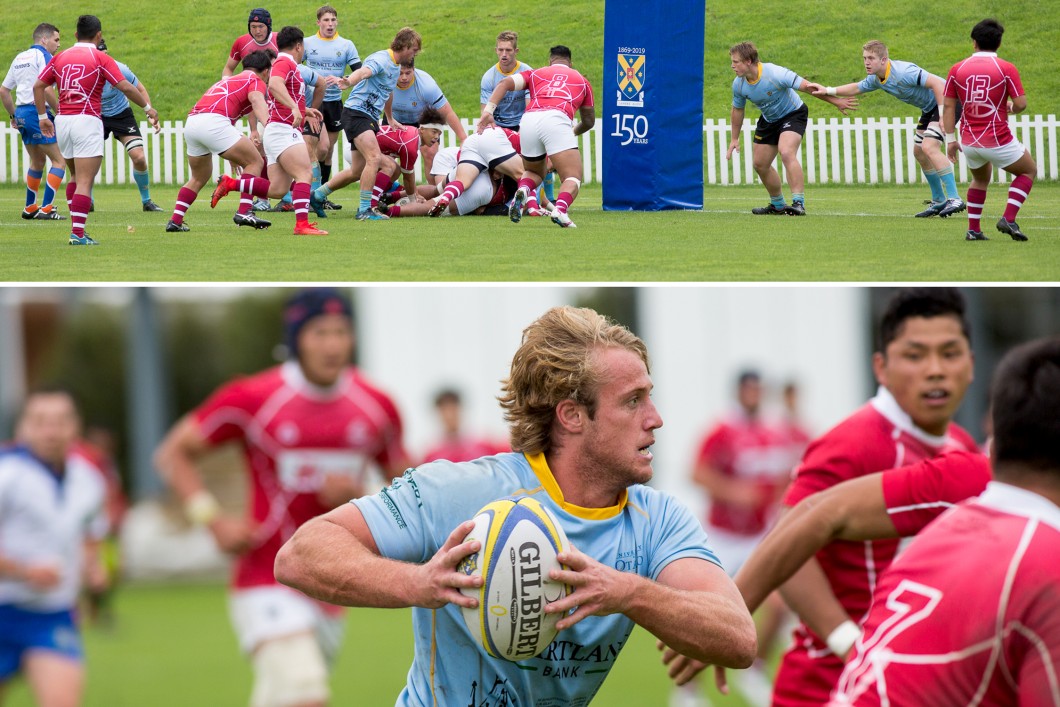
Otago is the first New Zealand university to reach 150 years and has a history of being inclusive and diverse—so it convened an internal team two years ago to plan celebration that would echo those values. Otago’s lineup of events for 2019 include a book launch, street parade, a festival of plays and more. The signature event is the Queen’s Birthday weekend, May 31–June 3, with Devonshire high teas, the university’s convocation ceremony, fireworks, reunion lunches, and a rugby match.
To design a celebration that wouldn’t be overwhelming, Kerry Buchan, project coordinator for the 150th celebration, planned far in advance—securing dates 18 months out and getting website up as early as possible—and clustering events together.
“Keep it simple and keep it within your resources,” says Buchan. “It’s like a restaurant. People are very excited about the menu and the front of house, but you’ve got to build your kitchen, then your menu, and then you can start putting on the icing on the cake as momentum builds.”
Key Tip: Cluster events throughout the year.
To keep costs reasonable, Otago’s operational committee decided to pay for venues or speakers, but charge an attendance free if food or refreshments are being served.
Otago’s 120,000 alumni base is spread around the globe—80 percent of its students come from outside Dunedin—so the team made sure to take celebrations global by livestreaming lectures and hosting alumni gatherings in London, Washington, D.C., Hong Kong, and beyond. For these events, leveraging partnerships is key: Otago holds functions in New Zealand embassies around the world, which makes them budget-friendlier.
The Four Festivals That Made a Splash
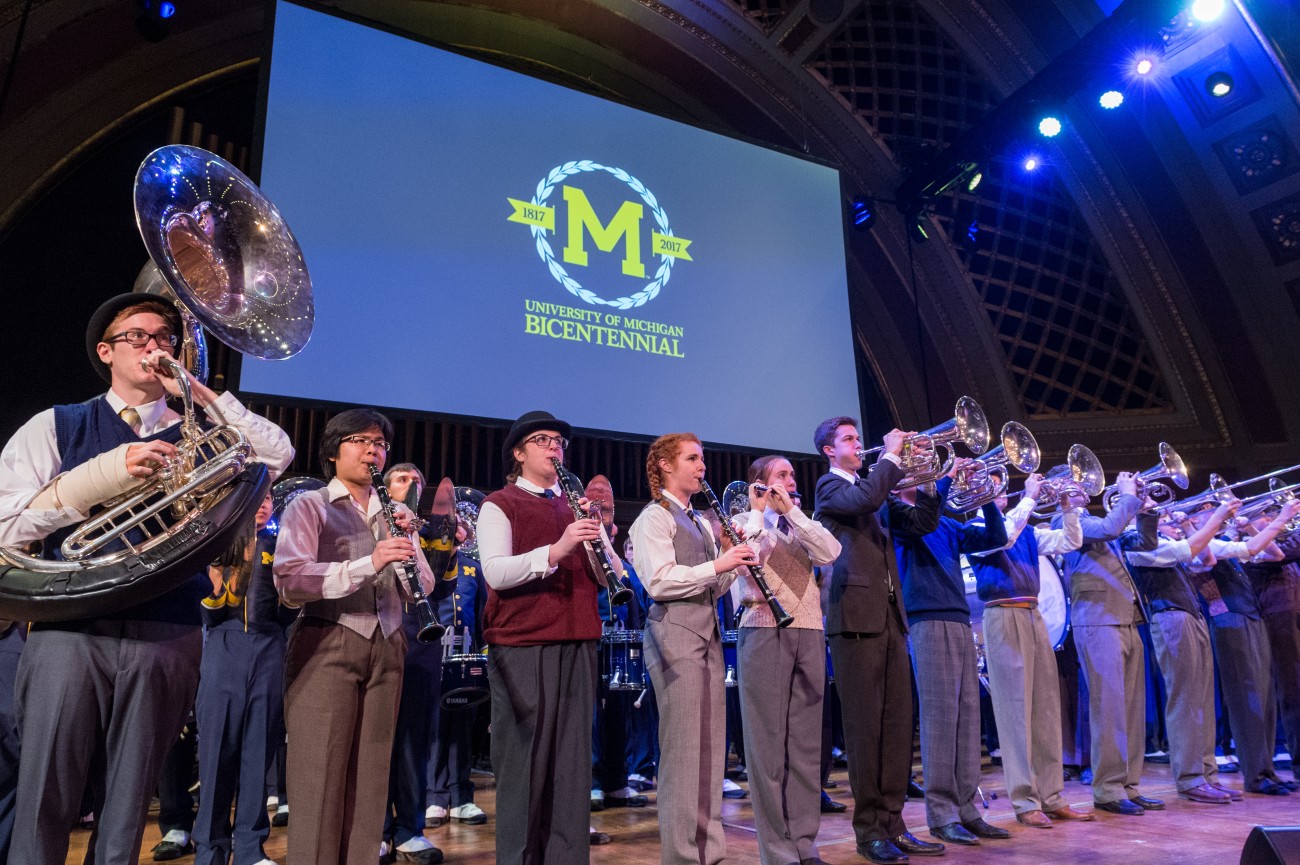
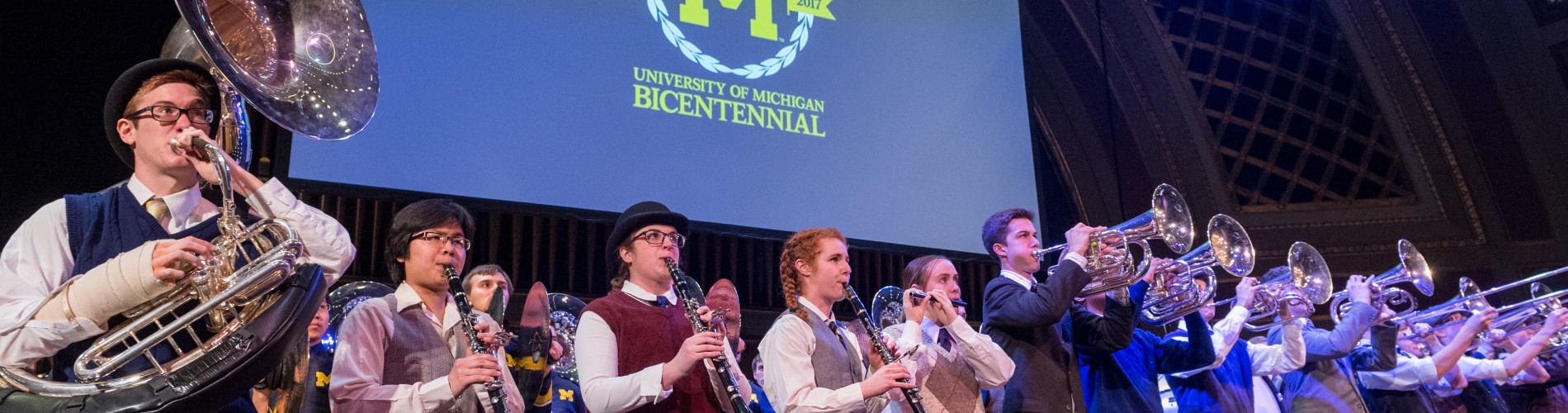
The University of Michigan
200th Anniversary, 2017
Institution type: Public flagship research university
Enrollment: 40,000
Celebration type: Yearlong celebration divided into four festivals
Celebration planning time: Five years
Planning teams: Three and a half dedicated staff members; advisory, coordinating and student committees
Budget: $6 million
In 1955, Dr. Jonas Salk completed his polio vaccine trials at the University of Michigan. “Most everybody” in the university community knows that story, says Gary Krenz. But there’s much more to the institution’s history—and highlighting that was key focus of its bicentennial celebration in 2017.
Planning for a milestone anniversary starts with “what do you really want to try to get out of this? What are the sorts of activities that you're going to be able to direct your resources towards? We knew: history, history, history,” says Krenz, executive director of the U-M Bicentennial Office. “We wanted to promote the impact of U of M on American public education, the state of Michigan and beyond.”
The resulting celebration was five years in the making. Once an initial planning committee drafted an initial framework in 2012, a 20-person each planning committee and advisory committee, and eventually three and a half dedicated employees, took the reins, researching what institutions of similar size did for their bicentennials. Originally, they’d planned a 16-month celebration but scaled back to a year to avoid fatigue. They mapped out four festivals, each with a key academic event and a celebratory event.
Why four?
“We wanted to punctuate the year to have an ebb and flow to it so that there would be kind of a rise of activity around each festival and then a little bit of a lull,” says Krenz. “Once you decide what your goals are, you have a handful of opportunities to meet those goals. It doesn't necessarily take four festivals. Maybe one big event would be enough. But our four festivals gave us a little more room to tailor some events towards some constituencies.”
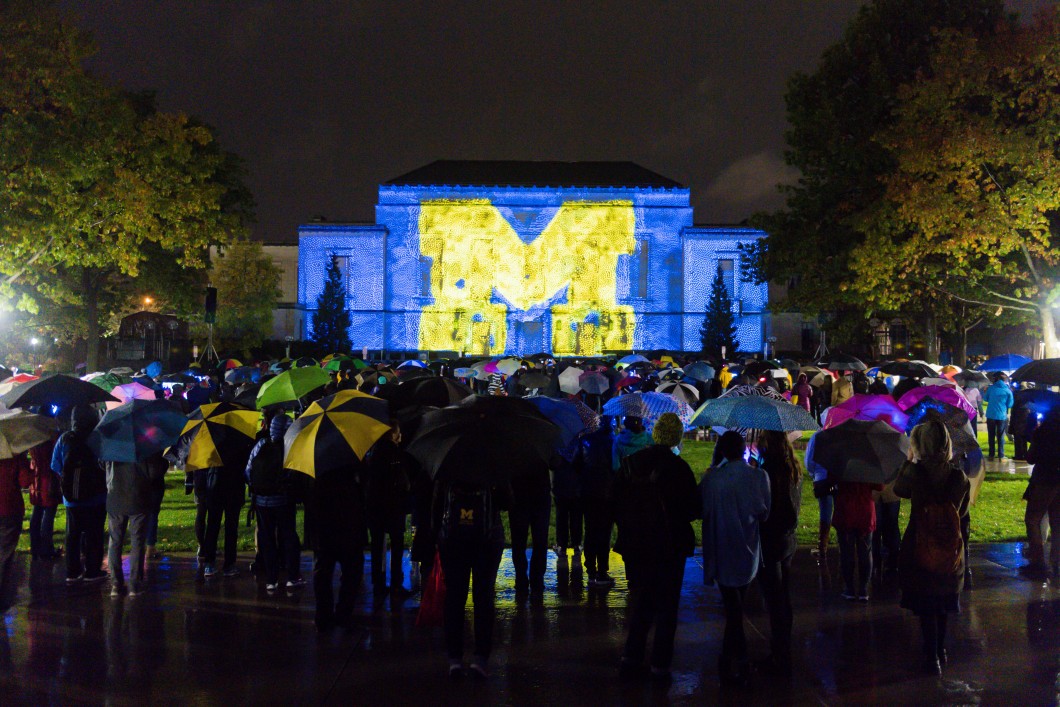
For instance, the Spring Festival included two major events: first was a forum on higher education, part of the U-M President Mark Schlissel’s colloquium series, with five of the university’s past presidents; second was True Blue, a multimedia performance by famed alumni celebrating the university’s history.
Key Tip: Empower staff to contribute their ideas.
Planning a huge, labor-intensive celebration like Michigan’s hinges on people: vision and leadership from campus presidents, chancellors, vice presidents and deans, and staff participation and buy-in. U-M devoted its summer festival to celebrating staff.
“The most important thing is to get to get that handful of people who can make things who can make things happen and who can who can take on a challenge and enjoy doing it,” says Krenz. “Staff are often the forgotten constituency. If they are empowered, they will work wonders and they will spread the word.”
The Reception That Set the Stage for Reunion
Evergreen State University
Evergreen at 50: Founding Day Celebration, 2017
Enrollment: 3,907
Celebration type:Two receptions, on and off campus
Planning time: 6 months
Planning team: No formal team, but a lead staff member working with core leaders
Budget: $10,000
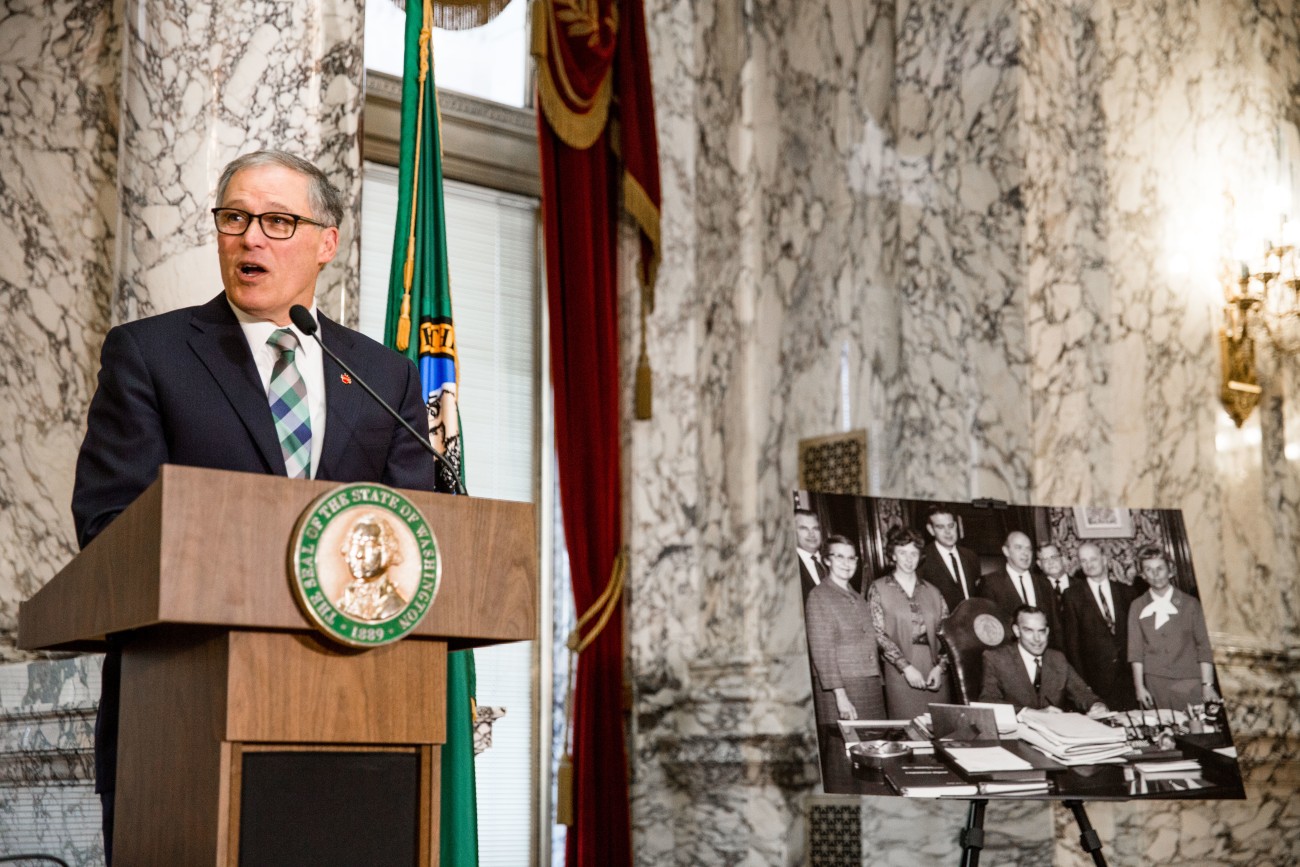
To celebrate its fiftieth Founding Day, Evergreen State College headed back to the very place it was signed into existence: the Washington State Capitol.
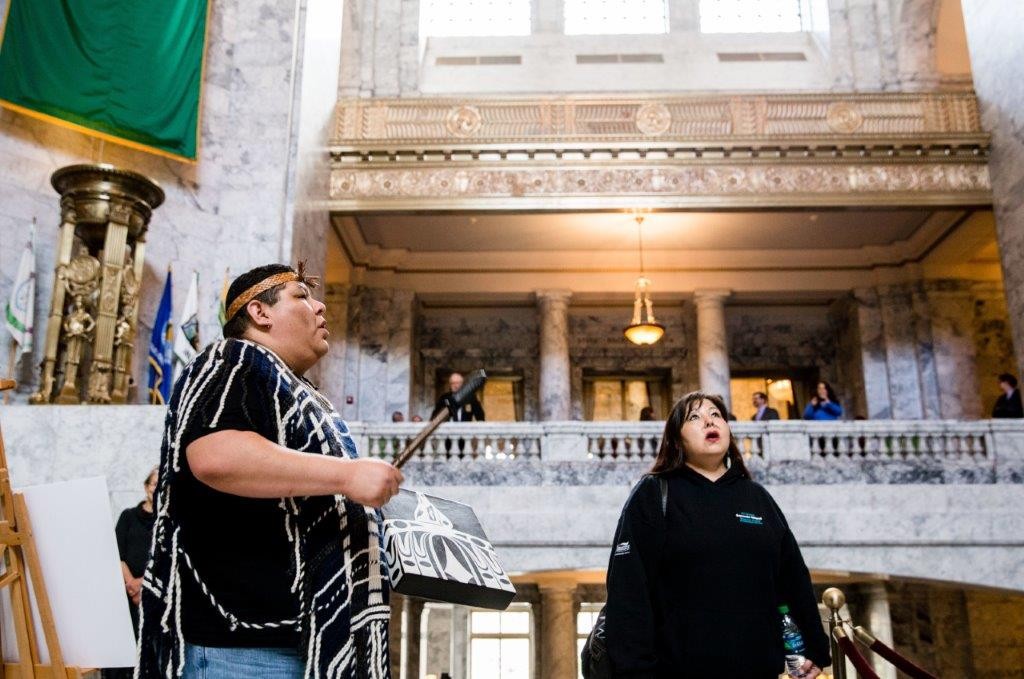
Fifty years to the day after then Governor Daniel Evans signed the legislation that created the Olympia, Washington, institution, friends (including donors, alumni, parents, student legislative interns, local leaders and lawmakers) gathered for a reception. Known for its Indigenous Arts Campus, Evergreen invited members of the Salish Native American tribe to fill the ornate, marble Capitol dome with song.
Back on campus that same day, Evergreen hosted a counterpart reception with cake in its library and a presentation from relatively new President George Bridges. The two Founding Day events connected the institution with its city and community, affirmed the college’s values, and highlight Bridges’ vision for the future.
“We wanted to take this opportunity to reflect on what Governor Evans had in mind when this legislation was signed, looking to our past to connect to our future and all that’s in between,” says Correan Barker, Evergreen’s manager of special events.
The budget for the two events was small—the Capitol space was free, so funds paid for catering and marketing—as is the staff. But the Founding Day events served two longer term purposes: first, they offered a testing ground for special events for the 50th anniversary of Evergreen’s first graduating class in 2022 and the launch of a comprehensive campaign, now in planning stages.
Key Tip: Let smaller milestones set the momentum for major ones in the future.
Second, the events set the stage for an amped up version of Evergreen’s Return to Evergreen homecoming weekend that fall. To honor Evergreen at 50, Barker, the Evergreen staff and a five-member alumni committee transformed from the college’s traditional daylong event to a three-day extravaganza with some 40 different workshops, receptions, concerts, a field trip to Lake Quinault, and more.
“Our question is, as we prepare to add a new event to our pipeline or revisit any event is: how is it tied to our mission?” says Barker. “Our audience is really inspired by lifelong learning. So we really have to create it.”
To achieve, as Barker says, “caviar taste on a peanut butter budget,” planning teams have the systems in place to deliver at scale on your audience engagement goals: like a helpful committee, a well-thought-out communication strategy and a cohesive aesthetic.
About the author(s)
Tags
Article appears in:
May - June 2019
Special Events Issue: From family picnics to campaign galas to regional alumni happy hours, special events can touch every corner of advancement. Let this special events-focused issue of Currents be your guide to planning and pulling off great events.