CASE

CASE

Main Menu

  • Learning
    • Conferences & Training
      • In-Person Events
      • Online Offerings
    • Online Learning
      • CASE Learning Center
      • Onboard Into Advancement
    • Scholarships
    • Conference Policies
    • Present at a Conference
    • CASE Academy

    Online Learning

    Illustration of a mouse connected to a book on a yellow background

    Browse CASE's online offerings to find the best virtual programming and training for you and your team.

  • Resources
    • Library
      • Advancement Resource Catalog
      • Subject Guides
      • CASE Files
      • News Roundups
      • Sample Collections
      • Sample Submission Guidelines
    • Currents Magazine
    • Bookstore
    • Educational Partners Directory
    • Newsroom
    • Public Policy
    • Alumni for Higher Ed
    • All Resources

    Advancement Resource Catalog

    ARC

    Visit the CASE Library's database and search through more than 15,000 articles, books, and white papers. Start your search.

  • Insights
    • Getting Started
    • Today’s Opportunities
    • Building Strategy
    • Surveys
    • CASE Global Reporting Standards
    • Research

    CASE Insights on Generative AI in Advancement

    CASE Insights on Generative AI in Advancement

    In this new interactive report, CASE Insights offers a comprehensive approach for adopting generative AI, based on findings from a year-long research study with advancement practitioners.
     

  • Awards
    • Circle of Excellence
    • Global Individual Achievement Awards
    • Independent School Awards
    • Individual Achievement Awards
      • Distinguished Service Awards
      • CASE Leadership Award
      • Previous Winners
    • CASE District Awards
    • CASE Commonfund College and University Foundation Award
    • Award Recipients

    Circle of Excellence Awards

    COE

    CASE’s annual Circle of Excellence Awards showcase outstanding work in advancement. Meet our exceptional award winners.

  • Connect
    • Regions
      • Africa
      • Asia-Pacific
      • Europe
      • Latin America
      • US/Canada
      • Regional Councils
    • Districts
    • Communities
    • Schools
    • Community Colleges
    • College and University Foundations
    • U.S. Advocacy Action Center
    • Alumni for Higher Ed
    • Volunteer
    • Educational Partners
      • Engage with CASE
      • Marketing Opportunities Available with CASE
      • Industry Advisory Council
      • Educational Partners Directory
      • CASE Standards Champions
      • CASE Media Kit
    • CASE Multi-Cultural Network

    Educational Partners

    Educational Partners

    Meet CASE's Educational Partners - industry thought leaders working with CASE to strengthen schools, colleges, and universities.

  • Talent
    • Career Central
    • CASE Advancement Internship US-Canada
      • Become a Host Institution
      • Intern Spotlight

    Career Central

    Career Central

    Visit CASE's Career Central to build your team or look for new career opportunities. 

  • About
    • Championing Advancement: CASE Strategic Plan
    • Celebrating 50 Years
    • What CASE Stands For
    • The Evolution of CASE
      • Board Leadership
      • Volunteer Leadership
      • President's Page
      • 2026-2027 Election
    • Offices & Staff
      • Washington D.C.
      • London
      • Mexico City
      • Singapore
      • Senior Staff Listing
    • Membership
    • Giving to CASE
      • Giving Opportunities
      • Impact of Giving
      • Legacy Giving
    • Online Newsroom
      • CASE in the News
      • CASE Experts
      • CASE Media Kit
    • Careers at CASE

    Giving to CASE

    Giving to CASE

    At CASE, we inspire, challenge, and equip nearly 100,000 advancement professionals across the globe to champion the success of educational institutions and the millions who benefit from them. With philanthropic support we can do more.

  • Membership
    • Create/Manage My Account
    • Become an Institutional Member
    • CASE Membership Primary and Secondary Coordinators
    • Explore Membership Benefits
    • Membership Directory
    • Membership Tutorial Videos

    Member Benefits

    Member Benefits

    Strengthen your advancement operation, including the latest research and trends in advancement, career and professional development programs, and publications. 

    See all membership benefits and contact us today! 

  • Give to CASE
  • Log in
  • Alerts
  • Search
  • Shopping Cart

Breadcrumb

  1. Home
  2. Resources & Articles
  3. Currents Magazine
  4. January - February 2019

Talking Shop: The Dos and Don’ts of Making the Ask

It’s part art, part science, and all about listening
Advertisement
By Meredith Barnett
January 1, 2019

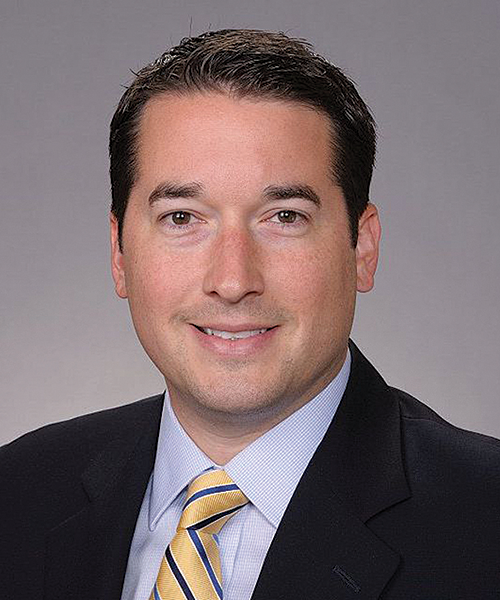
Jim Bob Womack, Director of Development at St. Mark's School of Texas

JIM BOB WOMACK
Director of Development
St. Mark's School of Texas

In development, making the ask—whether it's $1,000 for the annual fund or a million dollars for a major campaign—can seem nerve-wracking. But it's not the ask itself that's the hard part, says Jim Bob Womack, director of development at St. Mark's School of Texas.

"The actual moment when you ask somebody to commit their resources to the school takes 30 seconds," says Womack, who's spent 13 years in development. "There's so much that goes into doing this the right way that has nothing to do with that moment."

The hard work—part art and part science—is everything that happens before and after the ask: building a relationship with the donor and creating the right conditions for meaningful conversations.

Here, Womack—chair of CASE's Summer Institute for Independent Schools—explores the process of making the ask.

Do time the conversation right.

You have to earn the right to ask and balance the needs and the timing of the school with what your donor wants to accomplish. The school might need a new roof or a new lead gift on a campaign, but if you haven't appropriately built the relationship between the donor and the school, then the timing might be wrong. That doesn't mean you can't do it: You just need to consider the consequences of rushing the donor.

Don't over prepare.

There's a fine line between being prepared and being over-prepared. We always want to go in knowing whom we're meeting with and their involvement with the school. But be careful that you haven't gone overboard researching. The whole point is to build an authentic relationship. If you've done lots of research and a donor is telling you something, it doesn't feel authentic to act like you're hearing that for the first time. You also might guide the conversation in a way that isn't right for the donor.

Do ask who can give your donor the right information.

It's always worth considering whether two people might be better than just one. That second person could be your head of school, a volunteer, colleague, or faculty member. Consider the relationship you have with this donor but also the relationship the donor has with the school. Who would be the best person to give donors the information they need? What do individual donors need to help them think more broadly about their gift, or give them more specifics about a program their gift might impact?

Do keep the conversation going after a ‘no.'

You need to listen and understand what a donor means when he or she says no. Is the person saying they're completely done with the conversation, or this is too large an ask, or is the timing not right? We should try to keep the conversation going, but if a donor isn't interested in what your school needs, be respectful and listen to that. But if he or she said no because that's not the right project, then ask what the right project might be.

Do have vision.

You need to be a dreamer. Ask your donors to dream with you by picturing how their support might completely transform the school. If the donor is thinking about investing in a new program, dream with them: Imagine, 10 years from now, when we've had a decade of students benefitting from those resources—what might they be creating?

Donors give resources to an institution because their hope is that the institution helps fulfill their own personal goals and vision for the world. If you don't take time to understand what that personal vision or goal is, then how in the world are you going to say, "This school is what you should support. This school is where you should give those dollars."

Don't talk more than you listen. 

Create an authentic relationship. Be real and ask good questions, but remember it's much better to be a good listener than a good talker. It's about really connecting people to the school. You certainly have to be fearless and say, "I have to share the school's message," but then you have to hear their feedback.

Do expect the unexpected and be flexible. 

You may sit down with a very active alumnus to discuss a reunion or a gift and realize, because of something this alumnus says about his family or his business, that this is absolutely not the right time to ask. Or the gift he may want to make is very different from the type of gift the school needs. There are times when a donor will jump right to the chase and say, "Hey, things are going well; let's talk about my gift." Things can change course quickly. Be a good listener, trust your instincts, and consider how you would want to be treated if the roles were reversed.

Do mind the time. 

One of the pieces we don't talk enough about is staying on schedule. You cannot replace a community member's time. Don't be too early or too late and don't allow meetings to run too long. If the person has given you an hour, stick to that hour. Even if the meeting goes really well, the donor might rethink taking the meeting next time: "I love Jim Bob but I have work to do, and I can't get him out of my office!"

About the author(s)

Meredith Barnett

Meredith Barnett is the Managing Editor at CASE.

Tags

Africa Asia-Pacific Europe Latin America Middle East US/Canada Higher Education 4 Year Private 4 Year Public Alumni Relations Parent engagement Fundraising Annual Giving Campaigns Donors Major gifts Planned giving Principal gifts Currents Magazine Currents

Article appears in:

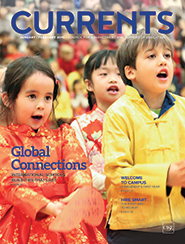
January/February 2019 Currents cover
  • January 1, 2019

January - February 2019

January-February 2019 issue of Currents: How international schools build global connections that last. Plus, the case for hiring slow, a look at how one new college president cultivates campus ties and a guide for hosting a board retreat.

CASE

CASE
  • CASE Communities
  • Member Login
  • Careers at CASE
  • Terms & Conditions
  • Privacy Statement
  • Staff Intranet
Connect with CASE
  • Facebook
  • Twitter
  • LinkedIn
  • Instagram

CASE Member Support
+1-202-328-CASE [2273]

CASE

CASE
Close

Search

Popular Searches
Books Advancement events Articles Fundraising Resources CASE Insights Resources Awards CASE Library CURRENTS Talent