
McMaster’s History of Vaccinology: A Multi-Media Legacy Project
From the Nominator
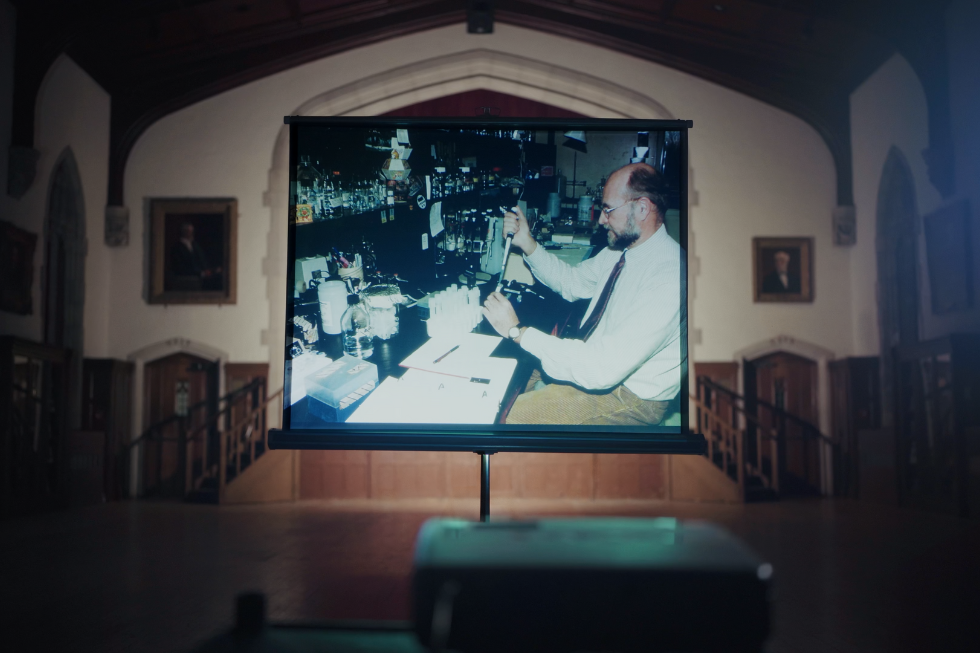
For Immunization Awareness Week 2025, McMaster University launched The History of Vaccinology, a multi-media storytelling initiative that powerfully reintroduced a 50 year legacy of vaccine innovation to internal and external audiences. Designed to position McMaster as Canada’s authority in vaccinology, the project combined a feature news article, an expert authored op ed, coordinated social media content and—its centerpiece—a nine minute documentary film produced entirely in house on a zero dollar budget. The initiative’s strategic goal was twofold: celebrate McMaster’s pioneering contributions to vaccinology for the purpose of a current event and long-term use, and inspire pride, trust, and renewed engagement among stakeholders, including researchers, government partners, donors, and prospective learners. The documentary premiered at the university’s Future of Vaccinology Symposium (April 2025), reaching more than 300 global researchers, funders, and policymakers. Its accessible storytelling, archival depth, and cinematic quality received exceptional praise, with many attendees calling it one of the finest institutional films they had seen. Beyond reaching key stakeholders via a dedicated viewing at the symposium, the project achieved strong multi-platform traction: More than 29,000 Instagram impressions, 7,200 LinkedIn video views, and more than 5,200 YouTube impressions in the first month. The written feature generated more than 600 story views in its first month. This project demonstrates how a small communications team can deliver a high-impact, multi-channel narrative that elevates institutional reputation, engages diverse audiences, and creates evergreen storytelling assets that will support McMaster’s vaccinology narrative for years to come.
From the Judges
A beautifully executed academic storytelling project, with strong research and archival depth, and high-quality cross-platform presentation. The project stood out as an inspiring example of how institutions can dig into their archives, connect past and present expertise, and show what makes their research legacy distinctive. We praise the work of detailing such a complicated topic with care and clarity—both in the copy and in visual presentation.