
Beyond Go-Live: A Sustainable Model for CRM Stabilization
From the Nominator
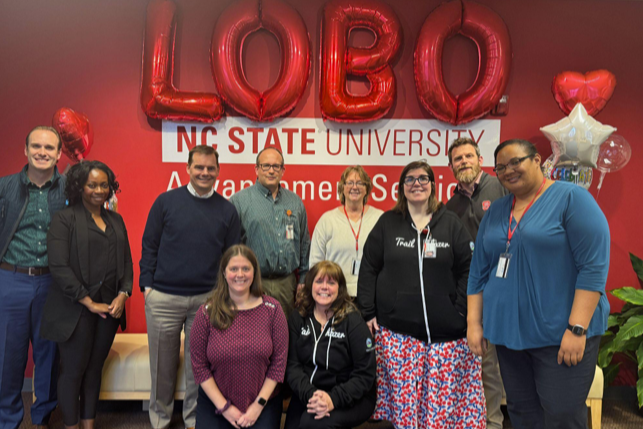
In February 2025, North Carolina State University Advancement Services launched Lobo, a Salesforce-based CRM replacing a legacy system used for more than 30 years. Supporting more than 340 users and nearly 900,000 constituent records, the transition represented one of the most significant operational changes in the division's history. From the outset of the project, Advancement Services emphasized that go-live would be a milestone rather than the finish line. A stabilization phase was planned to help the organization adapt to new workflows, address issues quickly, and build long-term confidence in the system. Advancement Services led a structured post-go-live stabilization strategy centered on transparency, governance, user adoption, and continuous improvement. Structured support and triage processes—including a case prioritization framework—enabled the team to respond quickly to issues and identify enhancement opportunities. A cross-functional Lobo Steering Committee guided development priorities and ensured that improvements aligned with the university's goals. Users across the NC State advancement community were supported through instructor-led training, learning labs, on-demand courses, and a centralized resource hub. Regular Lobo updates and prioritization of work ensured users understood what improvements were underway and how decisions were made. Within the first year, Lobo evolved from a newly implemented system into a stable operational platform, supporting fundraising, engagement, and data-informed decision-making. This approach reframes CRM implementation as the beginning of transformation, rather than the conclusion of a technology project.
From the Judges
This is a strong, well-articulated model that treats CRM go-live as a milestone, not the finish line. The emphasis on structured stabilization, transparency, governance, and ongoing engagement makes the approach both credible and replicable. The team gave stakeholders clear expectations through an often difficult change period, while maintaining operational continuity. Successfully executing a major Day of Giving just one month after going live demonstrates the strength of the planning, training, and stabilization model.