
Accelerators of Engagement: Energising Alumni Networks Digitally
From the Nominator
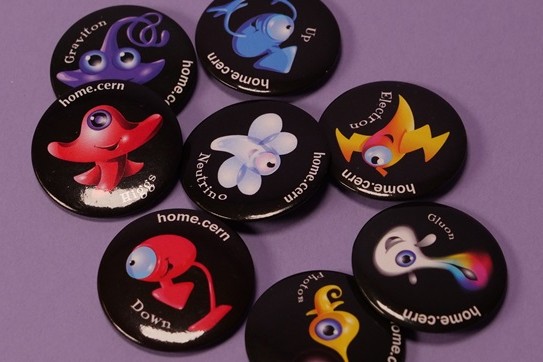
In 2020, in the depths of the COVID pandemic, I earned the Fitbit Earth badge by completing 12,713 kilometers of physical activity. While personally motivating, it sparked a broader insight: Visible recognition can reinforce sustained engagement. I began to question why alumni contributions were largely invisible, despite their value to the organization. Building on this insight, my team and I designed a recognition framework to make alumni engagement visible, valued, and aspirational. The framework celebrates all forms of participation, introduces light gamification, and stimulates positive FOMO (fear of missing out). We mapped all alumni engagement opportunities and translated them into clear "job descriptions," outlining activities, time commitment, and benefits. Each role was paired with a digital badge featuring an anthropomorphized particle from the Standard Model, creating a distinctive CERN identity. The objectives were to normalize participation, encourage repeat and long-term connection, and provide alumni with a visible marker of contribution they could proudly share. Delivery required collaboration with our community management platform provider, multiple design and technical iterations, and formal approval from CERN’s Directorate and CERN Alumni Advisory Board. Launched in April 2025 following a teaser campaign, the CAN-doers program delivered a low-resource recognition initiative that measurably increased engagement. By the end of 2025, recorded alumni volunteer hours more than doubled, rising from 1,950 in 2024 to 4,369. One recipient noted that the recognition was a powerful reminder that “connections with CERN can last well beyond employment.”
From the Judges
This submission stood out for its exceptional creativity and thoughtful use of gamification to strengthen alumni engagement. The judges were especially impressed by how the badge system reflected the unique identity of the CERN community and how the program created meaningful pathways for participation. The use of both digital and physical recognition, along with strong non-financial incentives, created an innovative and sustainable model for connection and retention. This approach energized alumni networks in a distinctive and memorable way.