
Michigan State University's Diverse Voices Program
From the Nominator
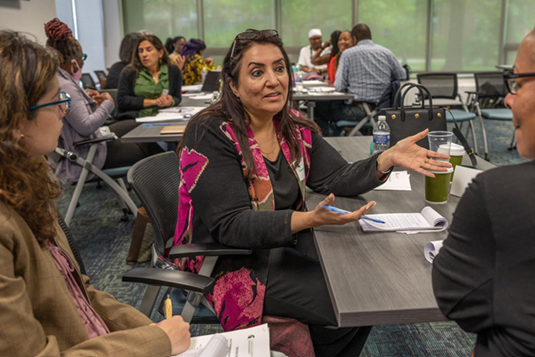
When it comes to media, there’s a significant gap in diversity representation. This problem has been recognized by some of the most respected newsrooms in the country, as many have established goals to increase the diversity of their sources and the stories they cover. Even though some progress has been made in recent years, research shows that the expert voices and opinions we hear most in the world come from an extremely narrow slice of society: mostly western, white, privileged, and overwhelmingly male. University Communications and Marketing at Michigan State University has similar goals related to increasing media placements and creating more content with MSU’s underrepresented faculty members, so we launched the Diverse Voices Faculty Communications Fellowship Program to help us to meet those goals. The program was designed to advance MSU’s academic and research excellence and to support the diversity, equity, and inclusion portion of the university’s 2030 strategic plan. Since launching the program, nearly 50 faculty members from 15 colleges across MSU have participated in a two-day workshop that covered op-ed writing, utilizing credibility, pitching media, and training for media interviews. We have created more than 60 pieces of content and secured more than 200 media placements between the first two cohorts, which makes up more than 10% of our total media placements in top-tier outlets year-over-year. This is a significant baseline that we hope to build on each year. Participants were featured in the Associated Press, The New York Times, NPR, USA Today, and more.
From the Judges
This program stood out among other entries for its impact, campus partner engagement, and potential to scale and replicate it at other institutions according to their budgetary and staff resources. The outcomes in terms of media placements both quality and quantity are impressive. While this initiative serves to highlight institutional strategic priorities, the committee also saw this program as offering mutual benefit to faculty, in terms of engendering goodwill and trust as an outward example of the university's promotion of their subject matter experts. The committee also commended the project for its well thought out follow-up plan for continuous program improvement and content ambassador engagement.