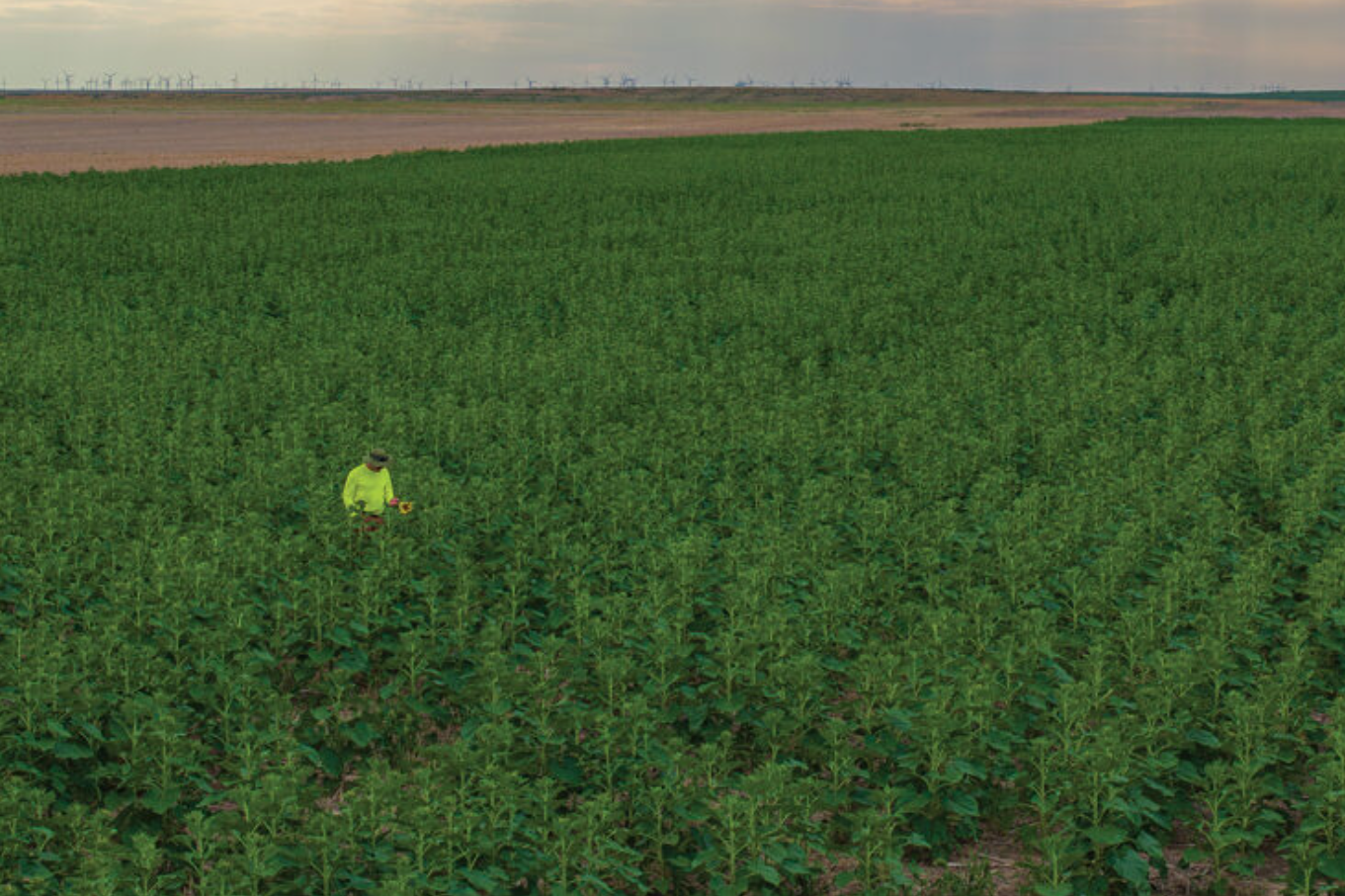
Colorado State University has been a leader in soil science research for decades. The university served as an early interdisciplinary hub for work that led to important scientific discoveries related to soil, fostering the kind of cross-disciplinary collaborations—agricultural scientists working with ecologists and wildlife biologists—that are common now but were unconventional in the 1970s and 1980s. What’s more, CSU remains a standout in the field today. Scientists conduct advanced modeling of greenhouse gas emissions on agricultural lands relied on by the U.S. Environmental Protection Agency and is a leader in soil microbiome science, an important and emerging field that promises to unlock new scientific understanding of what is happening beneath the ground. This work is critical to furthering efforts to combat climate change in ecosystems ranging from midwestern grasslands to thawing Arctic permafrost. Given the significant historical and modern significance of this research field—both to CSU and communities worldwide—it was a notable in the university’s storytelling collection. CSU had not yet told its soil science story on a large scale. The writer set out to capture both the history and future of CSU soil research in a magazine-style narrative, emphasizing the people who are doing the work. Faculty, students, farmers, and ranchers on Colorado’s Eastern Plains. The resulting narrative was praised by faculty for the quality of writing and reporting, and as a successful portrait of one of the university’s most important research fields.
From the Judges
A well done story, nicely reported, and what separates it is how important it is to the university it represents. Time was spent on this story and it shows.