A Global Force of Ambassadors
Today, amid global political and economic turmoil, it’s become increasingly difficult for institutions to recruit and support international students. Can those of us who work in advancement—specifically alumni engagement—contribute toward solving these challenges and help our student recruitment colleagues meet their targets?
At the University of Southampton in England, we have begun addressing those two goals, using a collaborative approach based on the student life cycle. Here is what we’ve discovered so far.
Volatility, Uncertainty—But Also Opportunity
International students play a crucial role in our universities. They bring diverse perspectives to the classroom and enrich campus life, while strengthening our institutions’ global networks and reputations. Their impact is also economic: International education generates billions for national economies and supports hundreds of thousands of jobs. In the United States, for example, international students contribute more than $40 billion annually to the country’s economy and support around 370,000 jobs, according to NAFSA: Association of International Educators. It’s a similar picture in the U.K., Canada, and Australia.
Despite the myriad benefits international students bring to our university communities, international student recruitment is becoming increasingly volatile, and universities are struggling to meet their targets and generate income. Political decisions, visa policies, economic fluctuations, and global competition can alter recruitment patterns almost overnight. Universities that previously relied on steady growth are now navigating uncertainty in key markets and adapting their strategies in response to rapidly changing conditions.
In the U.K., this volatility is particularly pronounced. According to the Universities UK International Student Recruitment Survey 2025, 79.6% of universities did not meet their international recruitment forecasts for September 2024. This followed a 6.7% decline in international enrolments in the 2023–2024 academic year, and there was a sector-wide year-on-year drop of 12.8% in the September 2024 intake, according to Universities UK. Policy changes have also had an impact. Recent restrictions on postgraduate students bringing dependants have contributed to a reduction in enrolments, as has the increase in minimum salary for skilled workers. The March 2026 decision to suspend student visas from four countries further reduced the number of international students coming to the U.K.
Even so, it’s important to note that even in this period of uncertainty, hundreds of thousands of students still choose to study overseas every year. International education is still central to the mission and identities of so many universities.
Alumni as Ambassadors
As our universities’ largest stakeholder group, our alumni have massive potential to support student recruitment efforts. Alumni offer authentic insights into student life, career outcomes, and the long-term value of their degree. When we meaningfully engage alumni, they can become our most powerful ambassadors around the world.
At the University of Southampton, our data show that our alumni are already playing a significant role in supporting our international student recruitment efforts. More than a third of offer holders speak with alumni during their application or decision-making process. Among those students, around 90% say that these conversations have had a positive influence on their decision to study at the university.
Clearly, our alumni are one of the most important parties in addressing the student recruitment challenges facing our universities. So how can we work effectively with colleagues in student recruitment and student experience to support international student recruitment? And how can we help to build sustainable alumni engagement programmes that meaningfully contribute to recruitment goals? At Southampton, we have begun exploring these questions through a co-designed and life cycle-based approach.
Building the Foundation
International alumni engagement at Southampton sits within the university’s Office of Development and Alumni Relations. This is a small team which includes an International Alumni Engagement Manager and an Alumni Engagement Officer. Together, we support several institutional priorities, including international student recruitment, graduate employability, transnational education, and global philanthropy.
We provide a vital resource for colleagues across the university, supporting their priorities by connecting them with alumni data, expertise, and networks. Historically, this was also the case for international recruitment. Alumni were invited to speak at events or webinars, but alumni engagement did not sit at the centre of recruitment planning. As a result, our teams tended to work alongside one another rather than in close partnership.
Recently, we have had an opportunity to change that. We began to hear a similar message from two different directions. Internationally based alumni were increasingly asking how they could play a more active role in supporting the university. Meanwhile, recruitment colleagues were looking for new and more creative ways to engage applicants in a competitive landscape. Bringing these conversations together created an opportunity to rethink how our teams worked together and to explore how we might partner with colleagues to co-design activities.
In our conversations with recruitment colleagues, we focused on understanding the challenges they faced and then working together to identify how alumni could help address these. Applicants and offer holders wanted to hear directly about career outcomes, student experience, and life after graduation from former students who had navigated that journey themselves. Colleagues needed a reliable and structured way to involve alumni in those conversations.
From here, we used data to start building a plan. We shared insights about where our alumni lived, the industries in which they worked, and how engaged they already were with the university. We used this to find where alumni networks might support recruitment activity in specific markets.
Through these conversations and shared insights, our working relationship began to evolve and deepen. Alumni engagement started to feature earlier in recruitment planning, allowing us to design activities together. The first place we tested this approach was India.
Alumni in India: Co-Designing Our Approach
India is one of the fastest-growing international student markets globally. While Southampton has seen a steady growth in applications, we identified a clear opportunity to strengthen the university’s presence and reputation within the market to build on this success.
Southampton has around 2,000 alumni based in India and 500 alumni from India based in the U.K., the majority of whom graduated after 2010. There had been some alumni engagement activity previously (focused on events and informal chapters), but there was no market-specific alumni engagement strategy or direct alignment with recruitment goals. We therefore had a real opportunity to drive up student recruitment by engaging alumni in a more structured way, and to mobilise our alumni as our best ambassadors and advocates.
To build our alumni engagement strategy, we used a user-centred design approach. We focussed our efforts on understanding our alumni (their motivations, experiences, and needs), to design a strategy with them at the centre.
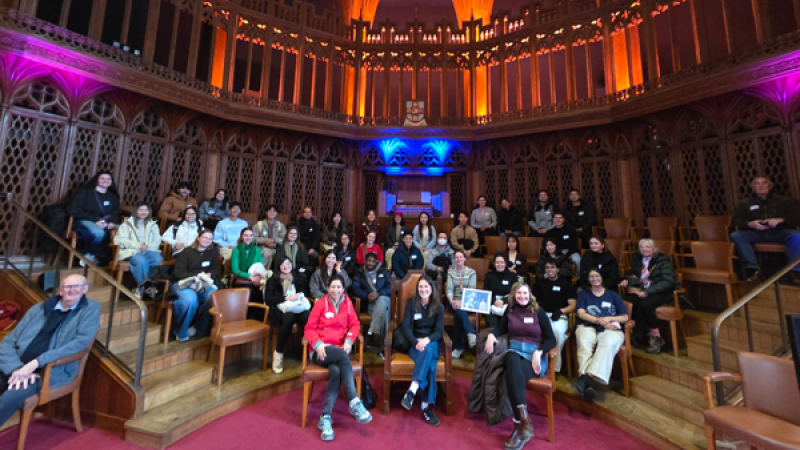
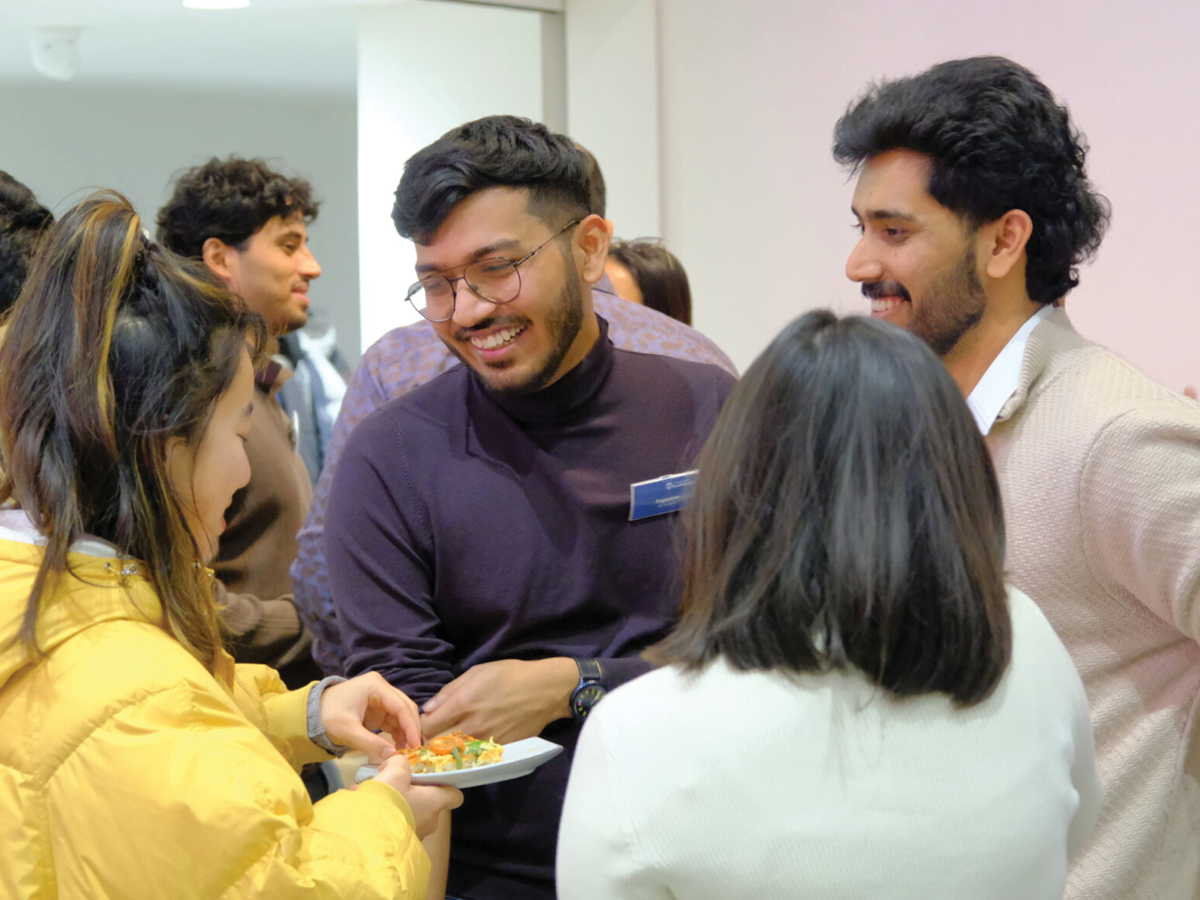
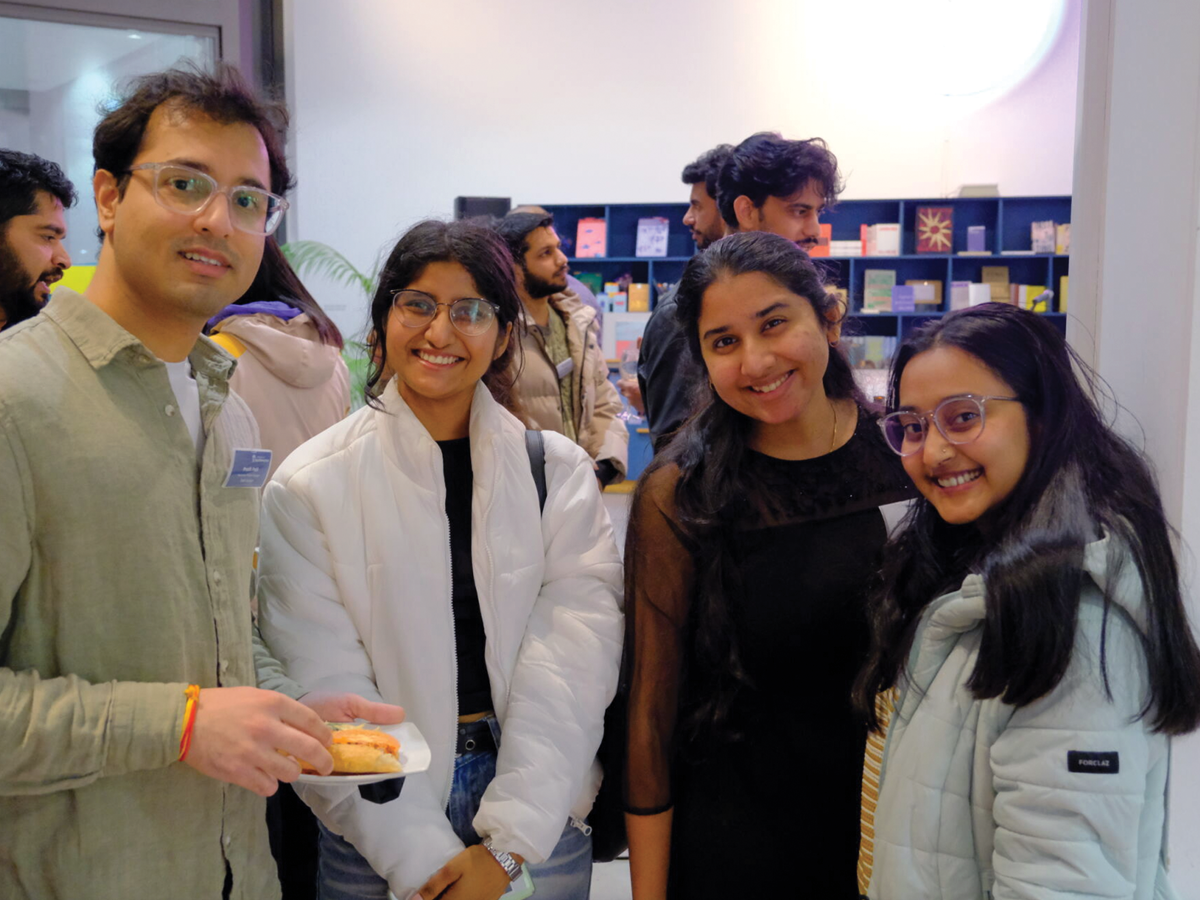
We started this process with data. We developed an international alumni dashboard, which offered real-time insights into where alumni were located, the sectors in which they worked, their degree programmes, life stages, and affinity to Southampton. Next, we organised a joint student/alumni mixer with our student recruitment colleagues. We invited our U.K.-based alumni from India from all graduation years, as well as our outgoing students. This offered a unique opportunity to get perspectives from our alumni and our soon-to-be graduates on their journeys to, at, and after Southampton.
One of the most striking things we found was that almost all the alumni at the event were already speaking regularly with prospective students through informal channels, including family networks, professional connections, and social media platforms like LinkedIn. These conversations often happened without any formal connection to the university, yet they played an important role in shaping prospective students’ choices.
We also learned that, while it was important for us to engage alumni based in India, alumni who had stayed in the U.K. after graduation were often just as influential. Many prospective students from India are motivated by the possibility of gaining international work experience, and recent graduates who had successfully secured employment in the U.K. were well placed to give practical advice.
The third insight for us related to the type of support students needed. Many of our recent graduates wanted informal guidance from someone who had recently navigated similar challenges, particularly around applying for careers. This suggested that flexible, peer-style engagement opportunities might be particularly effective in improving the student experience and graduate prospects.
Embedding Alumni Across the Student Life Cycle
These insights shifted our thinking about when and how we should involve alumni in the student journey, and we began to collaborate with colleagues to integrate alumni across the entire life cycle, from prospective student to graduate. We set up the Indian Student Life Cycle Working Group, bringing together colleagues from recruitment, careers services, student experience, faculties, and alumni engagement. Working together, we could identify where alumni could add value.
For prospective students, the group introduced more regular opportunities for alumni to take part in recruitment events and conversion activities. Alumni spoke directly with applicants, offer holders, and parents, sharing their experiences of studying at Southampton and their career journeys after graduation, providing authentic voices and perspectives.
The group also looked at how alumni could support students once they arrived on campus. Alumni joined career panels and networking events that helped current students explore different pathways and build their career readiness.
Supporting the transition from student to graduate was an important focus. Our alumni suggested we set up an alumni buddy scheme that paired outgoing students with recent graduates who could share practical advice on navigating the early stages of their careers. Alongside this, we set up a U.K.-based Indian alumni network, which regularly brings students and alumni together through meetups and professional networking opportunities.
The final piece of the puzzle was to strengthen alumni community building more broadly. We set up alumni WhatsApp groups, developed a targeted newsletter, and delivered LinkedIn “lost alumni” campaigns to re-engage our alumni. As a result, the team now has contact with more than 60% of alumni from India.
Progress and the Future
Although our work is still developing, the shift toward a life cycle approach has already had several positive outcomes. Alumni engagement in India has grown significantly; alumni are now a fundamental part of student recruitment and graduate employability activities. As a result, Southampton’s student recruitment numbers look promising for the next cycle, while our employability outcomes are positive. We’ve strengthened internal collaboration across university teams, and alumni engagement is now a core pillar in our university’s internationalisation strategy.
We have matched 43 buddy pairs to date and have recently launched a dedicated mentoring programme for our students and alumni from India. We now host three international student and alumni events in Southampton and London each year, and have had more than 100 attendees at each.
Our alumni were instrumental in helping to recruit the first cohort of students to our new campus in Delhi (opened in 2025), and they even played a role in shaping our student offering through dedicated focus groups and interviews. Feedback from prospective students suggests that alumni interactions are a valuable part of the decision-making process.
We’ve also significantly strengthened our alumni ambassador network. Our alumni increasingly see their relationship with the university as a lifelong partnership, while our students now recognise themselves as future alumni and understand the role they could play in supporting the next generation.
For the foreseeable future, international student recruitment is likely to remain unpredictable, and institutions must think creatively about how to build resilient recruitment strategies. Alumni engagement offers a powerful (but often underutilised) opportunity to develop a global force of ambassadors who can help drive student recruitment.
By involving alumni in designing activities, small teams can overcome the challenges of limited resources to develop effective engagement campaigns. They can bring alumni on board as partners, invested in the mission and success of their universities. Moreover, a collaborative, life cycle approach creates sustainable engagement, which can drive recruitment and graduate success and contribute to a university’s long-term growth and stability.
About the author(s)
Tags
Article appears in:
July - August 2026
HELP YOUR TEAM FLOURISH: Solving talent management challenges today, from growing a team, to recruiting better, to doing more with less. Plus why listening should shape strategy, how alumni can support international students, what makes a giving society work, and more.