
The Art of Listening as Strategy
On June 1, 2026, I marked nine years as president and CEO of Mid-State Technical College in central Wisconsin, U.S. Mid-State is one of 16 colleges in the Wisconsin Technical College System, serving an eight-county district of rural and regional communities. When I arrived in 2017, we were serving just over 6,500 learners. Today, we serve more than 9,900.
People often ask what drove that growth. Was it new programming? Marketing? A campaign?
My answer is simpler, and more foundational—we listened. Not as a symbolic exercise. Not as a short-term engagement tour. But as a disciplined leadership strategy that shaped our strategic plan, clarified our institutional identity, and ultimately transformed our approach to advancement.
For those of us in leadership—and for advancement professionals across our institutions—the lesson is this: When listening becomes operational, it becomes strategic. And when it becomes strategic, it reshapes fundraising, partnerships, and institutional credibility.
Starting with a Simple Question

When I began my presidency, I scheduled one-on-one meetings with every employee—220 at the time—and asked each person the same set of questions. One question in particular revealed more than I expected: “What is on our current strategic plan?”
Most could not answer. Some believed we had a plan but didn’t know where to find it. Others recalled participating in something related to strategy but couldn’t articulate its priorities. There was no shared language, no common direction.
That moment clarified something important for me: Before we could advance externally, we needed alignment internally. Advancement is not just about telling a compelling story; it’s about ensuring the story is true, shared, and understood across the institution.
I also asked each employee to describe our strengths, opportunities, and challenges. Their responses were candid and generous. I filled pages with notes. People spoke with passion, urgency, frustration, and hope. My shoulders were heavy, at times, after hearing their comments, but I was encouraged to know they trusted me with their perspectives.
And I understood something advancement professionals know well: When you ask for input, people watch closely to see whether you act on it.
Listening Beyond Campus
After meeting with staff, I expanded the conversations to our board members, K-12 schools partners, local employers, workforce leaders, and community members. I asked them the same questions. What is Mid-State doing well? Where are we falling short? What does our region need from us?
During winter break, I synthesized hundreds of pages of notes. Five themes emerged consistently:
- Programs and program mix
- K-12 partnerships
- Continuing education
- Workforce development
- District presence
After securing the full support of our board of directors, those themes shaped our next five-year strategic plan—and far more. They shaped our advancement priorities, our messaging, and our case for support.
Swimming in the Same Direction
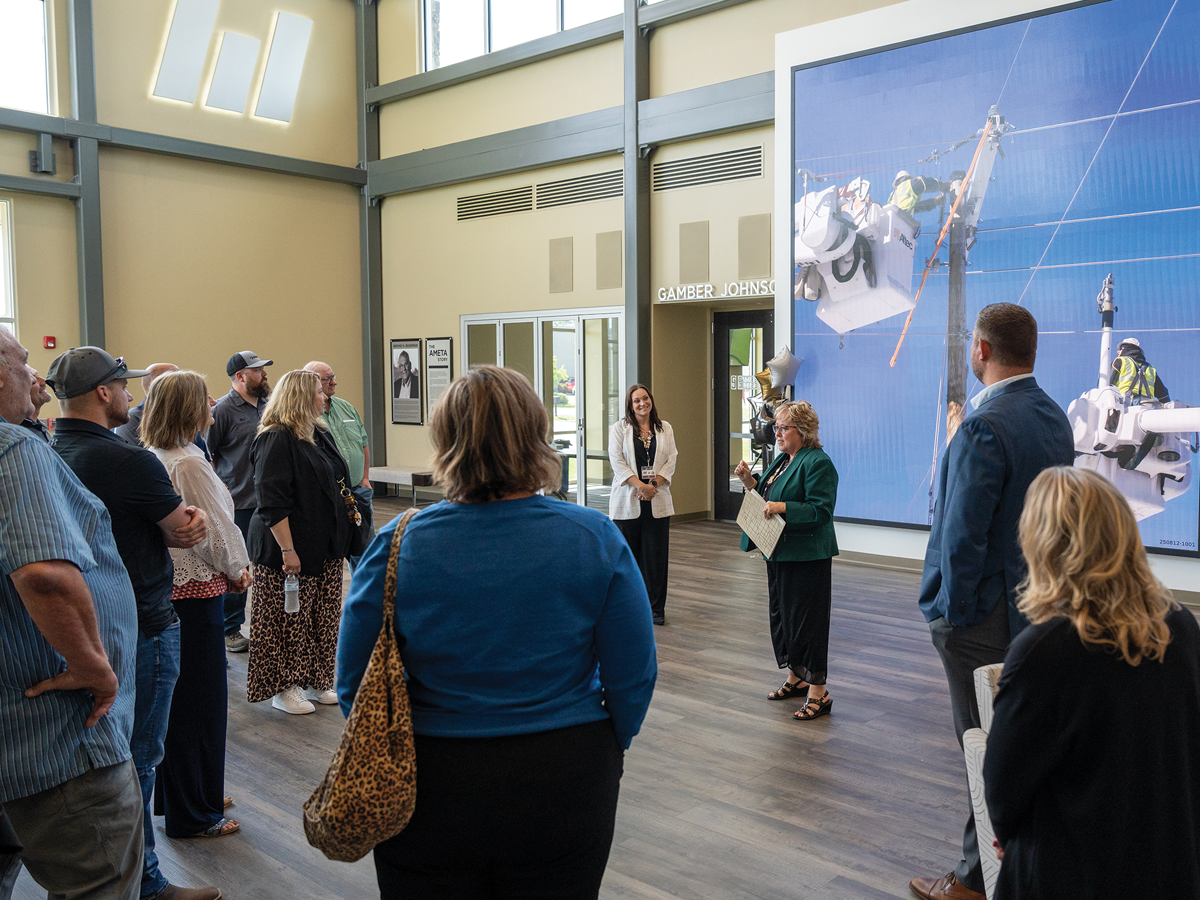
Internally, we formed a cross-functional strategic planning committee—no consultants, just our people. Together, they developed and operationalized a five-year plan titled Moving Forward Together. The plan included measurable goals tied to student success, organizational effectiveness, and organizational health. We used a dashboard to publicly track our progress.
We made a commitment to say “yes” to initiatives aligned with the plan and “no” to those that were not.
That discipline mattered. Advancement thrives when institutional priorities are stable and clear. It becomes easier to articulate impact, recruit donors, and demonstrate accountability when the entire organization is moving in the same direction.
When discussing the plan, I often used the image of fish swimming in the same direction. That alignment is not accidental. It requires clarity, repetition, and trust.
For advancement professionals, internal alignment is an asset. When faculty, staff, and leadership share a common understanding of direction, advancement messaging becomes authentic and compelling.
When Listening Shapes the Case for Support
Too often, institutions build campaigns around internally generated aspirations. There is nothing inherently wrong with ambition—but when priorities are not clearly anchored in stakeholders’ voices, advancement becomes harder.
At Mid-State, listening gave us both clarity and confidence.
Employers across our district told us we lacked the right mix of advanced manufacturing and mechanical design programming to meet workforce needs. They spoke about equipment gaps, talent shortages, and the need for stronger apprenticeship pathways. Rather than treat this as anecdotal feedback, we treated it as a strategic direction.
The result was a comprehensive, multiyear fundraising effort to build our Advanced Manufacturing, Engineering Technology, and Apprenticeship Center. We ultimately raised $23 million through public-private partnerships, with support from more than 300 businesses and individuals, along with eight government entities.
The campaign succeeded not simply because we asked, but also because donors saw their concerns reflected in the solution. The priorities were not abstract institutional ambitions. They were direct responses to community voices. For advancement leaders, this is the power of disciplined listening: It strengthens your case for support before you ever draft the campaign brochure.
Listening as Partnership Development
Another theme that surfaced repeatedly was the need to strengthen our relationships with K-12 schools. Community members and school partners told us we were not as engaged or as accessible as we could be. We responded by reorganizing our K-12 team, investing strategically in dual credit expansion, and prioritizing partnership-building.
As a result, dual credit head count between 2020 and 2025 grew from 1,206 to 2,684, an increase of 123%, significantly expanding early college access across our district.
That shift also influenced advancement. As K-12 relationships deepened, so did relationships with school boards, superintendents, and families. New donors came forward. Workforce pathways strengthened. Scholarship needs became clearer to us and more compelling to donors and partners.
Listening did not simply improve programming. It expanded our ecosystem of partners.
Data, Accountability, and Donor Confidence
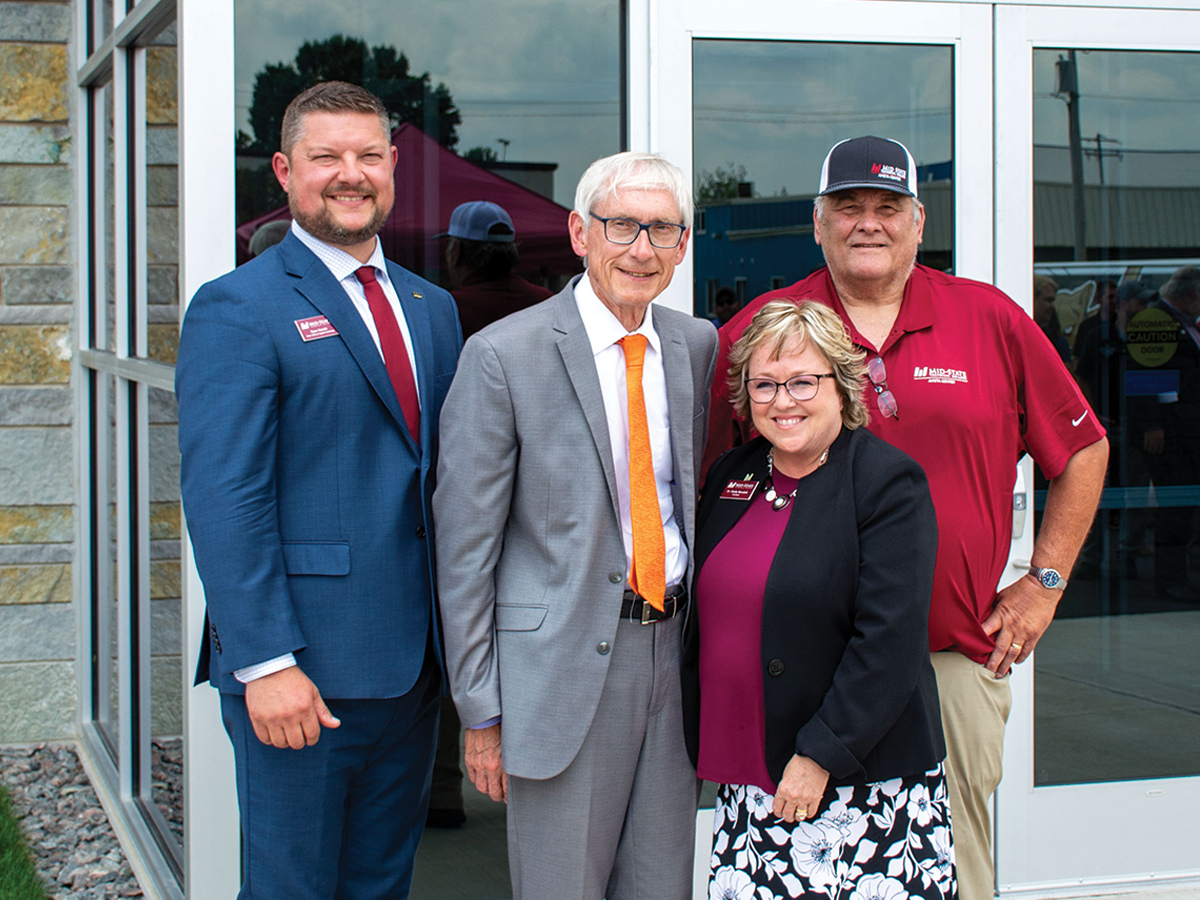
Once we’d paired listening with measurement, we adopted a strategic dashboard to track progress on defined outcomes and consistently report on student success, enrollment growth, and workforce impact. That discipline created both focus and momentum. Over five years, we met every goal established in our strategic plan and, in several areas, we exceeded them.
For example, our course completion rate increased from 80% to 86%, reflecting stronger student support and instructional alignment. Our service to the district expanded significantly: We moved from serving one in every 27 residents annually to one in every 17. In continuing education, we more than doubled our reach, growing from just over 1,500 learners each year to more than 3,000. These weren’t isolated gains. They were the result of sustained, intentional action tied directly to the priorities our stakeholders helped define.
For donors and advancement leaders, accountability matters. When priorities are shaped by stakeholder input and paired with measurable outcomes, donors’ and partners’ confidence increases. Donors see follow-through. Community partners see responsiveness.
Listening builds trust—but execution sustains it.
The external recognition that followed was exciting. Mid-State has now been named among the top 200 community colleges in the nation and a Bellwether Award finalist. In 2025, we were recognized as Wisconsin’s top technical college.
These accolades are affirming, but they are not the point. The point is that listening created a virtuous cycle:
Listening → Clear Strategy → Focused Advancement → Measurable Impact → Increased Trust → Greater Opportunity.
Recognition was simply the echo of that work.
Listening as an Ongoing Leadership Practice
As we prepared to launch our next five-year strategic plan on July 1, 2026, I returned to the same listening process. I again met individually with more than 200 employees. I again asked the same questions.
Once more, five themes emerged, this time centered on advancing educational quality, strengthening institutional identity, expanding accessibility, deepening community engagement, and serving our district.
Listening is not a one-time presidential tour. It is an ongoing leadership practice.
For advancement professionals, this matters. Institutional priorities shift. Workforce needs evolve. Community expectations change. Listening must be continuous if we want our strategy to remain relevant.
Over nine years, I have come to believe in a simple rule: Take the time to listen and your strategic direction may reveal itself.
The employees of Mid-State trusted me enough to share their honest perspectives. In return, I trusted them enough to act on what I heard. That mutual trust became the foundation for strategic clarity, advancement growth, and institutional momentum.
Listening is often described as a soft skill. In my experience, it is a hard strategy.
For institutions seeking to advance—not only in fundraising totals, but in impact and relevance—the question may not be “What should we build next?” It may be, “Who have we not yet heard from?”
When listening becomes more than a courtesy, it transforms advancement from transaction to partnership, from aspiration to alignment.
And that is where meaningful progress begins.
Listening as Practice: Takeaways for Advancement Leaders

Listening strengthens the case before you write it. When priorities emerge from stakeholders, fundraising conversations become easier and more credible.
Internal alignment fuels external success.Advancement is more effective when faculty and staff can clearly articulate institutional direction.
Community feedback should shape campaign priorities. Employers, alumni, and partners often know precisely where investment will have the greatest regional impact.
Accountability builds donor confidence.Public dashboards and measurable goals reinforce trust and engagement.
Listening is relational capital. Even when not every idea can be implemented, the act of asking builds goodwill.
Most importantly: Listening requires courage. When you ask for feedback, you may hear dissatisfaction. You may uncover misalignment. You may feel the weight of expectations. But leadership is not about protecting ourselves from uncomfortable truths. It is about trusting that those closest to the work—and those we serve—often see the path forward more clearly than we do alone.
About the author(s)
Tags
Article appears in:
July - August 2026
HELP YOUR TEAM FLOURISH: Solving talent management challenges today, from growing a team, to recruiting better, to doing more with less. Plus why listening should shape strategy, how alumni can support international students, what makes a giving society work, and more.