
CASE

CASE

Main Menu

  • Learning
    • Conferences & Training
      • In-Person Events
      • Online Offerings
    • Online Learning
      • CASE Learning Center
      • Onboard Into Advancement
    • Scholarships
    • Conference Policies
    • Present at a Conference
    • CASE Academy

    Online Learning

    Illustration of a mouse connected to a book on a yellow background

    Browse CASE's online offerings to find the best virtual programming and training for you and your team.

  • Resources
    • Library
      • Advancement Resource Catalog
      • Subject Guides
      • CASE Files
      • News Roundups
      • Sample Collections
      • Sample Submission Guidelines
    • Currents Magazine
    • Bookstore
    • Educational Partners Directory
    • Newsroom
    • Public Policy
    • Alumni for Higher Ed
    • All Resources

    Advancement Resource Catalog

    ARC

    Visit the CASE Library's database and search through more than 15,000 articles, books, and white papers. Start your search.

  • Insights
    • Getting Started
    • Today’s Opportunities
    • Building Strategy
    • Surveys
    • CASE Global Reporting Standards
    • Research

    CASE Insights on Generative AI in Advancement

    CASE Insights on Generative AI in Advancement

    In this new interactive report, CASE Insights offers a comprehensive approach for adopting generative AI, based on findings from a year-long research study with advancement practitioners.
     

  • Awards
    • Circle of Excellence
    • Global Individual Achievement Awards
    • Independent School Awards
    • Individual Achievement Awards
      • Distinguished Service Awards
      • CASE Leadership Award
      • Previous Winners
    • CASE District Awards
    • CASE Commonfund College and University Foundation Award
    • Award Recipients

    Circle of Excellence Awards

    COE

    CASE’s annual Circle of Excellence Awards showcase outstanding work in advancement. Meet our exceptional award winners.

  • Connect
    • Regions
      • Africa
      • Asia-Pacific
      • Europe
      • Latin America
      • US/Canada
      • Regional Councils
    • Districts
    • Communities
    • Schools
    • Community Colleges
    • College and University Foundations
    • U.S. Advocacy Action Center
    • Alumni for Higher Ed
    • Volunteer
    • Educational Partners
      • Engage with CASE
      • Marketing Opportunities Available with CASE
      • Industry Advisory Council
      • Educational Partners Directory
      • CASE Standards Champions
      • CASE Media Kit
    • CASE Multi-Cultural Network

    Educational Partners

    Educational Partners

    Meet CASE's Educational Partners - industry thought leaders working with CASE to strengthen schools, colleges, and universities.

  • Talent
    • Career Central
    • CASE Advancement Internship US-Canada
      • Become a Host Institution
      • Intern Spotlight

    Career Central

    Career Central

    Visit CASE's Career Central to build your team or look for new career opportunities. 

  • About
    • Championing Advancement: CASE Strategic Plan
    • Celebrating 50 Years
    • What CASE Stands For
    • The Evolution of CASE
      • Board Leadership
      • Volunteer Leadership
      • President's Page
      • 2026-2027 Election
    • Offices & Staff
      • Washington D.C.
      • London
      • Mexico City
      • Singapore
      • Senior Staff Listing
    • Membership
    • Giving to CASE
      • Giving Opportunities
      • Impact of Giving
      • Legacy Giving
    • Online Newsroom
      • CASE in the News
      • CASE Experts
      • CASE Media Kit
    • Careers at CASE

    Giving to CASE

    Giving to CASE

    At CASE, we inspire, challenge, and equip nearly 100,000 advancement professionals across the globe to champion the success of educational institutions and the millions who benefit from them. With philanthropic support we can do more.

  • Membership
    • Create/Manage My Account
    • Become an Institutional Member
    • CASE Membership Primary and Secondary Coordinators
    • Explore Membership Benefits
    • Membership Directory
    • Membership Tutorial Videos

    Member Benefits

    Member Benefits

    Strengthen your advancement operation, including the latest research and trends in advancement, career and professional development programs, and publications. 

    See all membership benefits and contact us today! 

  • Give to CASE
  • Log in
  • Alerts
  • Search
  • Shopping Cart

Breadcrumb

  1. Home
  2. Resources & Articles
red phone

Dialing In a New Annual Fund Strategy

Inside Stanford University's decision to cut its telefund and take a different fundraising path
Advertisement
June 14, 2019

by Martin Shell and Amy Wilson

Excerpted from Currents, March/April 2017

In September 2016, Stanford University made a surprising decision: We eliminated our phone program for fundraising, the result of a dramatic rise in negative responses to our calling.

In 2011, for every eight people who answered our calls and made gifts, only one said, “Never call me again.” By 2015, the ratio was 3-to-1. From complaints in our general inbox to offhand comments in meetings with alumni, we knew that our calls were alienating prospective donors—and that we were compromising tomorrow’s gifts with today’s annoying asks.

Participation Panic

“But what about your participation rate?”

That’s the most common question we’ve heard since announcing our decision. We gave this factor serious consideration yet kept asking ourselves, “Why do we care so much about participation rates in any one year?”

Setting goals around participation is like setting CEO compensation around share price—it incentivizes short-term gains instead of creating long-term value. Just as a company can drive a share price through short-term strategies like a stock buyback, annual giving programs can increase short-term participation rates through strategies like premiums, challenge gifts, or even an aggressive calling program. While many of our peer institutions are under pressure to reach ambitious participation goals, we think it is time to acknowledge that these tactics often have a short shelf life and that in the long term, they don’t cultivate philanthropic behavior.

What Comes Next

It will be a few years before we know whether we’re on the right path. For now, we are investing our telefund budget in new staff and new marketing programs. We hope to appeal to those who formerly gave through the telefund as well as to those who may have been alienated by our calls. 

Because 70 percent of telefund donors were making renewal gifts (LYBUNTs in annual fund terms), we are investing in efforts aimed at retaining donors, such as a new loyalty program that will recognize and encourage consistent giving. Additionally, we are devoting staff time and expertise to direct appeal channel analysis. The goal is to refine our messaging, segmentation, and channel selection on a targeted basis, reaching not only former telefund donors but all constituents with messaging and solicitations relevant to their interests.

We are also investing in digital programs that facilitate targeted campaigns like Giving Tuesday and improved email strategies that will benefit all school- or unit-based annual giving programs, looking to reach donors who were unresponsive to the phone program, improve response rates, and encourage more loyal giving. We are expanding our social engagement and social solicitation efforts. Along the way, we’ll be evaluating results, refining strategies, and making adjustments. We expect some trial and error but feel confident that by centering our strategies on our donors, we’ll build a program that’s stronger than ever.

We believe that this was the right move for Stanford, but each institution is different. Consider all options when evaluating your annual giving programs, from expanding your telefund to modifying it—or, maybe, ending it. 

This process has taught us the importance of focusing on the needs of our donors. When we do so, we can take calculated risks, which may cause short-term pain but, ultimately, produce long-term gains.

Read the full Currents piece in the CASE Library's Advancement Resources Catalog.

About the Authors 

Martin Shell is Stanford University's vice president for development and a faculty member at CASE's Summer Institute in Educational Fundraising.

Amy Wilson is director of direct marketing and The Stanford Fund.
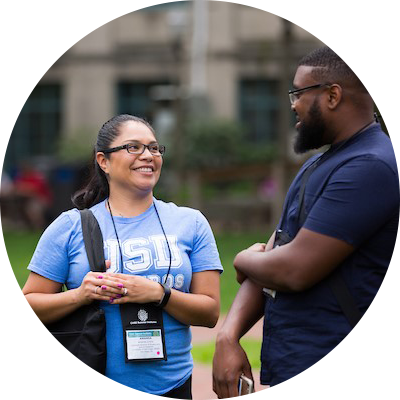
two people talking at a conference

Dive Deeper

Hear more from Martin Shell and explore best practices for annual giving, major gifts, making the ask, and much more at our Summer Institute in Educational Fundraising, July 21-25, 2019 in Hanover, New Hampshire. It's CASE's flagship training program for early-career professionals in educational fundraising: a unique, intensive learning experience to set a foundation for career growth and impact.

Learn more about the Summer Institute in Educational Fundraising.

Tags

Higher Education 4 Year Private 4 Year Public Liberal Arts Community College 2 Year Colleges College and University Foundations Fundraising Annual Giving Donors Fundraising Methods Blog Post

CASE

CASE
  • CASE Communities
  • Member Login
  • Careers at CASE
  • Terms & Conditions
  • Privacy Statement
  • Staff Intranet
Connect with CASE
  • Facebook
  • Twitter
  • LinkedIn
  • Instagram

CASE Member Support
+1-202-328-CASE [2273]

CASE

CASE
Close

Search

Popular Searches
Books Advancement events Articles Fundraising Resources CASE Insights Resources Awards CASE Library CURRENTS Talent